The Advanced Guide To Single Use Coffee Maker


Single Use Coffee Maker
The single use coffee maker is a well-known appliance that allows you to brew one cup of coffee at one time. These machines can be used with pre-packaged pods like Keurig K Cups, or ground coffee beans.
Unlike filter coffee makers, they don't waste water or energy by producing more than you'll ever need. However, these machines have a price in terms of sustainability and flavor.
Easy to Use
A single-use coffee maker makes it more simple than ever to make an excellent cup. These machines differ from standard drip coffee makers in that they can provide pre-packaged pods as well as ground beans at the touch of a single button. And they're smaller than traditional brewers. This makes them ideal for dorm rooms or tight spaces in the office.
Most of the single-serve brewers available utilize coffee pods, which are also known as K-Cups. These are small plastic or aluminum cups that come with pre-portioned ground coffee as well as filters built-in. Pods are convenient to use however they are more expensive than using your own ground beans. Additionally, they could contribute to global waste from single-use products.
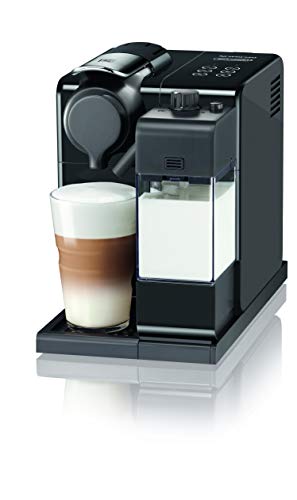
The top single-use coffee makers can make ground coffee as well as pre-packaged K Cups with a specific filter. They can also make tea and frothe milk to make lattes and cappuccinos (with some models with added accessories). Pick a model that comes with a drawer where you can make use of ground coffee or pods that are reusable. Bunn My Café MCU, for instance, has interchangeable drawers which allow users to switch between two based on the pantry you have. This allows you to save money while also giving you the freedom to choose.
Some machines come with a reservoir that can be filled every day. The size of the reservoir will depend on the frequency of your brewing and whether you plan to make more than or less than one cup a day. Other machines have no reservoir for water and require you to add the amount of water required each time.
A lot of single-use coffee brewers provide an efficient brewing process that allows you to get an espresso in only few minutes. However, this can result in a loss of aroma and flavor which can be affected by the speed at which the machine warms up the water.
Our test participants were looking for a coffee maker that could brew quickly without compromising the quality of the coffee. We also rated each product for its ease of use and maintenance, aesthetics and included warranty.
Convenience
A single-use coffee maker is popular because of its convenience. While they may not offer the quality of pour over or espresso, these systems allow you to prepare your favorite coffee pods with little effort. Single serve machines are great for those who want a quick cup in the morning, or a mug of hot cocoa before the bedtime. Simply fill the reservoir with water and place your favorite coffee capsule inside the chamber then close the lid and press the power button. Typically, the machine will start producing coffee in a minute or two and you'll be ready to drink your coffee.
Many models have a drawer where you can grind coffee or tea to create a variety of different options. For those who are concerned about the impact on the environment of coffee pods, some manufacturers are responding with eco-friendly solutions like compostable and biodegradable pods, or reusable coffee filters and capsule refill kits. These innovations align with the growing demand for sustainability in the coffee maker market and help reduce waste.
The advancement in brewing technology is a further driving factor in the single-use coffee maker sector. Many of the most modern models offer programmable settings and temperature control to guarantee the best tasting results. They also allow you to adjust brewing strength and duration according to your preference. These features are appealing to discerning coffee lovers who value consistency and control over their coffee.
Most single-use coffee makers require regular descaling in order to remove the mineral residue from the brew head and prevent it from damaging the machine or altering the flavor of the coffee. single serving coffee maker can be as simple as a mixture of vinegar and warm soapy water or as complicated as a professionally-developed descaling solution. Most manufacturers recommend descaling every one to three months, and offer instructions in their instruction manuals.
Globally, the single-use coffeemaker market is predicted to grow due to consumer preferences and technological advances. The increasing competition and consolidation between coffee maker brands will spur forward with companies focusing on developing new products that satisfy particular consumer preferences and needs.
Cleaning is easy
The top single-use coffee makers come with a container that stores the used pods after each brew, and has the capacity to easily remove and recycle them. We also searched for models with a water reservoir that doesn't require regular refills or one that can be filled without having to remove the machine. Modern coffee makers require just a small amount of cleaning each time they're used. However, we've also found that it's essential to conduct a regular deep clean and descale of the entire machine every three to six months.
Our experts evaluated the ease of cleaning by considering the number of parts that needed to be cleaned and removed, and how much time it took to complete. We also looked into how long it takes to complete the process of descaling important because it can affect the performance of your coffee maker over time.
We don't recommend cleaning a machine using vinegar, as it can damage internal components over time. However, the majority of manufacturers provide clear instructions on how to keep their machines running smoothly. You can find these instructions on the website of the manufacturer, but you should also read the manual.
We've also provided tips from the experts on cleaning and maintaining other types of coffeemakers, including drip filters and bean-to cup machines. This includes washing the filter cup with a removable filter or brewing mug after every use, and then removing the tray with a removable lid or lid to avoid accumulation. It is also helpful to keep an extra lid and filter available in the event of an emergency. Joyce French, an expert in cleaning for HomeHow explained that many of these items can be cleaned using white vinegar.